The Workbench
Hobby Box vs. Blaster Box: What Are You Actually Paying For?
A practical guide to hobby boxes, blaster boxes, pack configurations, guarantees, and the release details collectors should compare before buying.
“Hobby box” and “blaster box” sound like quality grades. They are not. They describe two product configurations sold through different channels, and the useful differences live in the details of the particular release.
That distinction matters because a hobby box can cost much more without promising the exact card you want, while a blaster can be an entertaining way to open a release without offering the same configuration or stated guarantees. The label on the box is the start of the comparison, not the conclusion.
What a hobby box is
A hobby box is a sealed configuration intended primarily for hobby shops and specialist card sellers. It often contains a different number of packs, a different number of cards per pack, or a different mix of possible inserts and parallels than retail configurations from the same release.
Some hobby boxes advertise one or more guaranteed content types. Others emphasize hobby-only possibilities rather than a fixed result. The manufacturer’s product page and the wording printed on that exact box control the answer. “Hobby” by itself does not guarantee an autograph, memorabilia card, numbered parallel, or profit.
What a blaster box is
A blaster box is a smaller retail configuration commonly sold by large retailers and card sellers. It usually gives a buyer fewer total packs or cards than a hobby box, though the exact count varies by release.
Blasters may have retail-exclusive parallels, inserts, or other configuration-specific content. Those possibilities can make a blaster interesting even when it lacks a hobby box’s stated guarantee. They do not make every blaster equivalent, and they do not turn a possibility into a promise.
The configuration differences that actually matter
Before comparing prices, put the two product descriptions side by side. Check:
- packs per box and cards per pack;
- the manufacturer’s exact guarantee language, if any;
- hobby-only or retail-only parallels and inserts;
- whether an advertised feature is guaranteed per box, averaged across a case, or simply possible;
- the checklist sections available in each configuration;
- whether the box is factory sealed and identified as the correct year, sport, set, and configuration.
Pack count is useful, but it is not enough on its own. Two configurations can have similar card totals and very different checklists. They can also have different card totals while offering access to much of the same base set.
Guarantees versus possibilities
This is where buyers get burned by loose language.
A guarantee should be stated by the manufacturer for the exact product configuration. A picture of an autograph on the box, a list of chase cards on a sales page, or the phrase “look for” does not necessarily mean one will appear in your box. Case-level averages are also different from per-box guarantees.
Read the nouns and the qualifiers. “One autograph per box” communicates something different from “look for autographs,” and both are different from a seller summarizing what the release can contain. When the wording is unclear, treat the outcome as a possibility until the official configuration says otherwise.
Why hobby boxes usually cost more
The higher price can reflect several things at once: more cards, a different checklist, exclusive content, stated guarantees, hobby-channel distribution, or stronger demand for that configuration. None of those explanations means the hobby box automatically provides better value for every buyer.
A collector building a base set may care about card count and duplicate rate. A collector chasing a specific hobby-only parallel may care about checklist access. Someone opening one box for fun may care more about the total cash at risk. The useful comparison is what the configuration offers for your goal—not which box has the more prestigious label.
Who each format makes sense for
A hobby box may fit when
- the exact release offers a stated guarantee you value;
- the hobby checklist contains cards or parallels you specifically want to chase;
- you want a larger opening and understand that a guarantee is not a guarantee of value;
- the full box cost fits your budget without depending on a major hit.
A blaster box may fit when
- you want a lower-cost opening from the same release family;
- you prefer a retail-exclusive parallel or insert;
- you are sampling a product before committing more money;
- the entertainment of opening matters more than maximizing access to hobby-only content.
Neither format is automatically the disciplined choice. Buying the wrong blaster repeatedly can cost more than buying the product you wanted in the first place. Stretching for a hobby box because of a vague chase can be just as careless.
Why the release details beat the box label
Manufacturers can change configurations from one sport, year, or release to the next. Even products with familiar names can change pack counts, checklist structure, exclusives, and guarantee language. A rule learned from last year’s box may be wrong for this year’s release.
Use a release-specific checklist:
- Confirm the full product name, year, sport, and configuration.
- Read the manufacturer’s current product description.
- Separate guaranteed content from possible content.
- Compare pack and card counts.
- Identify configuration-exclusive cards you actually care about.
- Check the seller’s photos and condition notes for the exact sealed box.
- Decide what you are willing to spend before treating any chase card as part of the result.
A better way to make the choice
Start with the cards you would be happy to own, then work backward to the configurations that can contain them. If the target is a particular single, buying that single can be more direct than opening sealed product. If the opening itself is the point, choose the box whose price and checklist make the experience sensible without requiring a rare outcome.
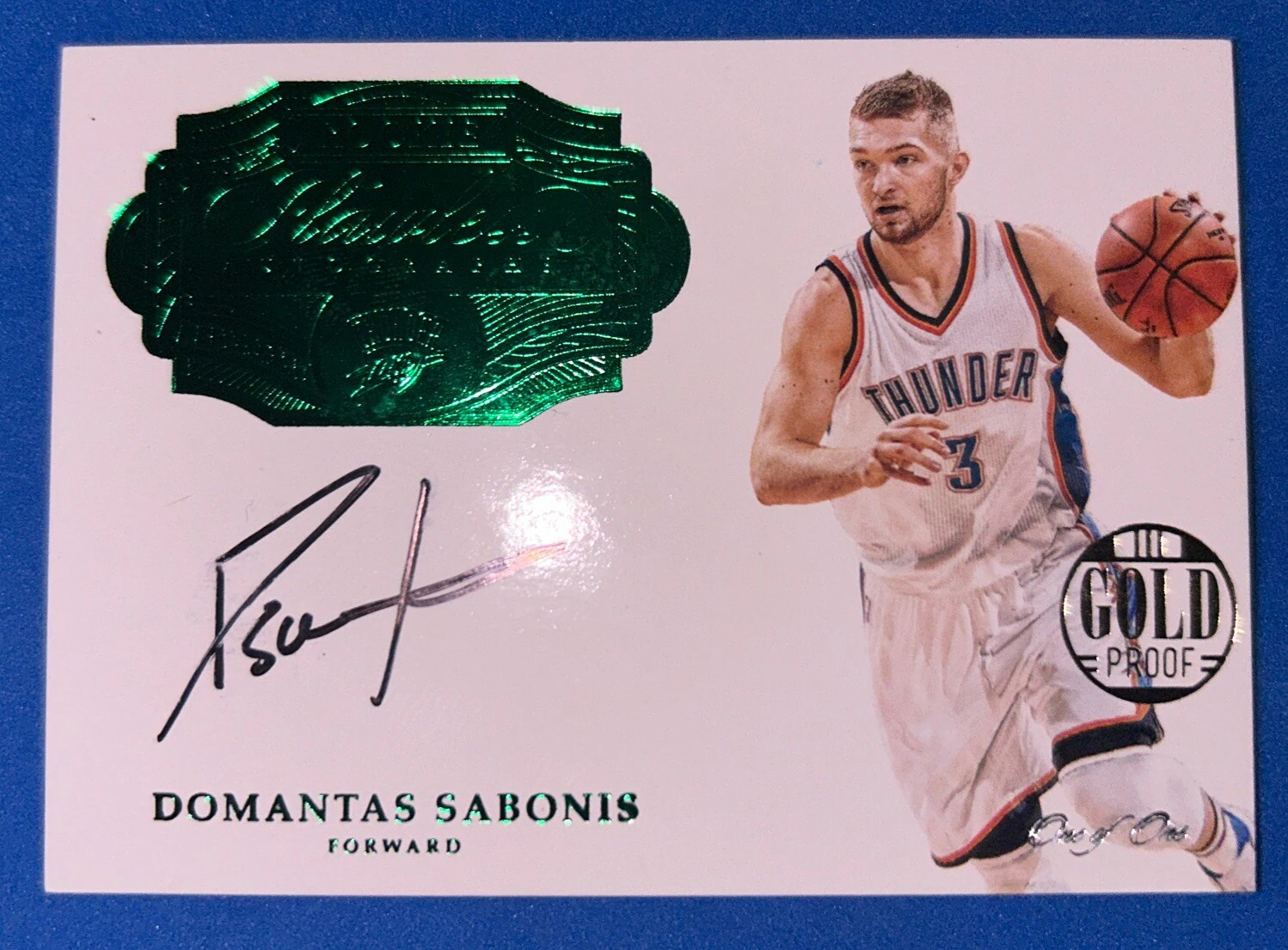
The same discipline applies after the pack is open. Our guide to Domantas Sabonis rookie cards shows why base cards, numbered parallels, autographs, patch autographs, and one-of-ones should not be treated as interchangeable simply because they share a rookie year.
Bottom line
A hobby box generally buys a different configuration, not certainty. A blaster generally lowers the entry price, not the need to read the product details. Compare the exact release, verify what is guaranteed, and make the choice that fits what you collect and what you can comfortably spend.